Sustainable Architecture's Impact on Urban Living
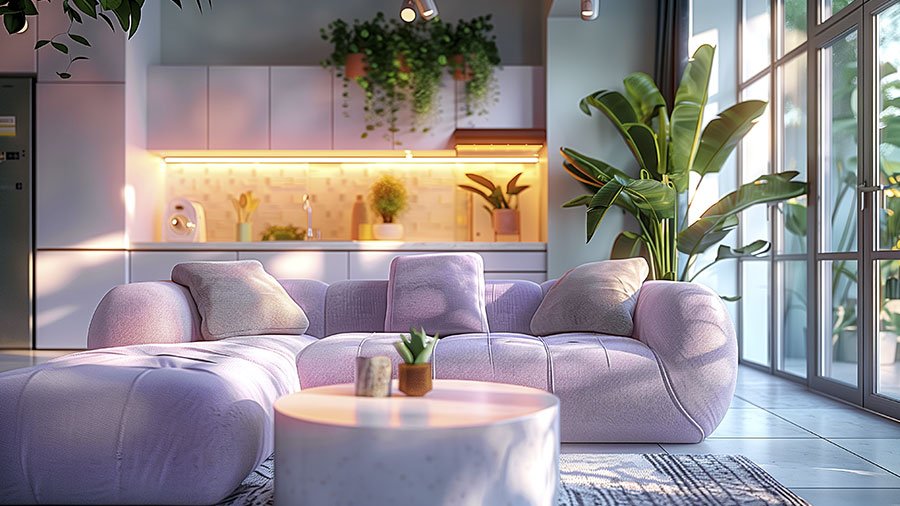
As cities continue to expand and populations grow denser, the role of sustainable architecture in shaping healthier and more resilient urban environments has never been more important. From reducing energy consumption to improving overall well-being, green design is redefining how we build and live in the 21st century.
The Rise of Eco-Conscious Design
Sustainable architecture is no longer a niche trend—it’s becoming the standard for responsible development. Architects and developers are integrating renewable materials, energy-efficient systems, and smart technologies to reduce the environmental footprint of buildings. Features like solar panels, rainwater harvesting, natural ventilation, and green roofs are becoming common in urban residential and commercial projects.
These eco-friendly solutions not only reduce operational costs but also improve the comfort and health of occupants.
Sustainable design isn't just about saving the planet—it's about creating cities that nourish the people who live in them.
Healthier Living Through Smarter Spaces
Modern sustainable architecture also emphasizes occupant well-being. Natural light, improved air circulation, and non-toxic materials all contribute to healthier indoor environments. Green spaces integrated into buildings—such as vertical gardens and community terraces—not only enhance aesthetics but also promote mental wellness and social interaction.
In densely packed cities, these design choices can make a noticeable difference in quality of life, offering calm, breathable pockets in an otherwise hectic urban landscape.
Long-Term Economic and Environmental Value
Though initial construction costs for sustainable buildings may be slightly higher, the long-term benefits far outweigh the investment. Lower utility bills, government incentives, and higher resale values make green buildings a smart financial decision. Furthermore, as environmental regulations become stricter, sustainable buildings are future-proofed for compliance.
Cities that adopt eco-conscious construction policies also benefit from lower carbon emissions, better public health outcomes, and increased livability.
Conclusion: Designing for Tomorrow
Sustainable architecture is not just a movement—it’s a necessity. In 2025 and beyond, building greener means building smarter, healthier, and more adaptable spaces. Whether you're a homebuyer, developer, or policymaker, embracing sustainability is a commitment to the future of our cities and the well-being of those who inhabit them.